Our Founder: Dr. Felix Adler


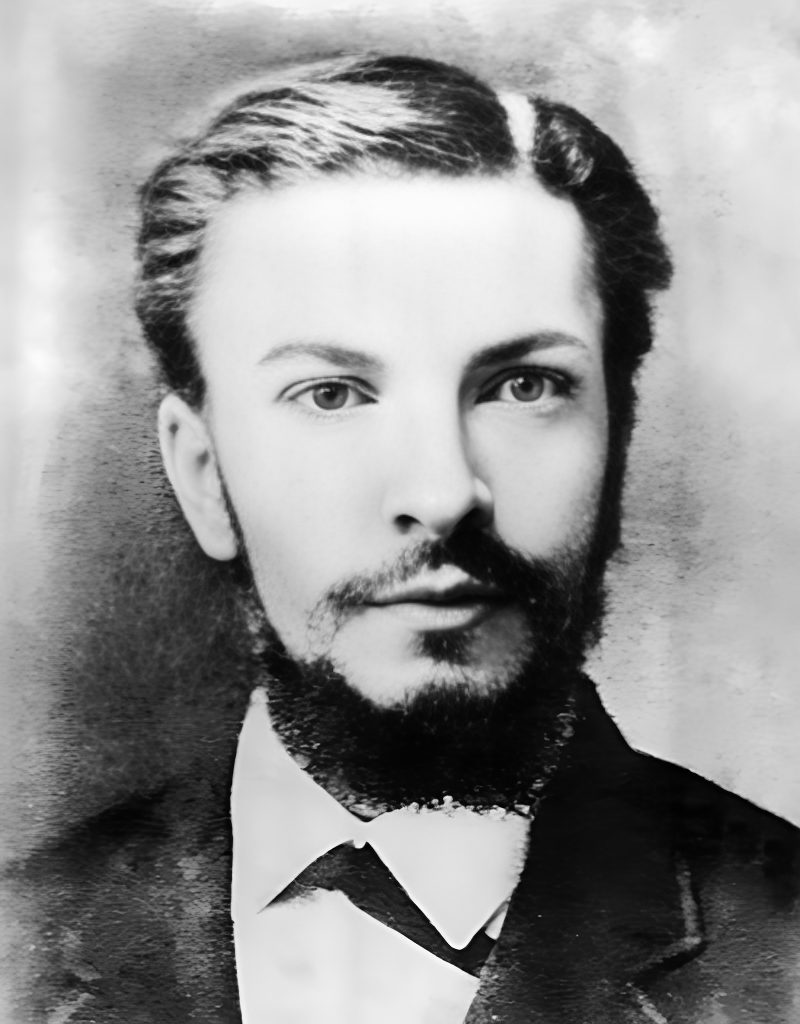
The Society was founded on May 15, 1876 by philosopher, social reformer, and educator Dr. Felix Adler. Adler believed that the study and practice of ethics could be the basis for bringing meaning to our lives, and he proposed a new movement that would focus on the advancement of ethics in order to structure our relations – in our families, in our communities, and in public affairs.

Adler called it Ethical Culture to reflect how we should cultivate our best selves by working to bring out the best in each other, and in so doing advance social justice for all.

Society Timeline

1876

The Ethical Culture Movement is founded by Dr. Felix Adler.

1877

District Nurse Service -precursor of Visiting Nurses Service- organized by the Society.

1878

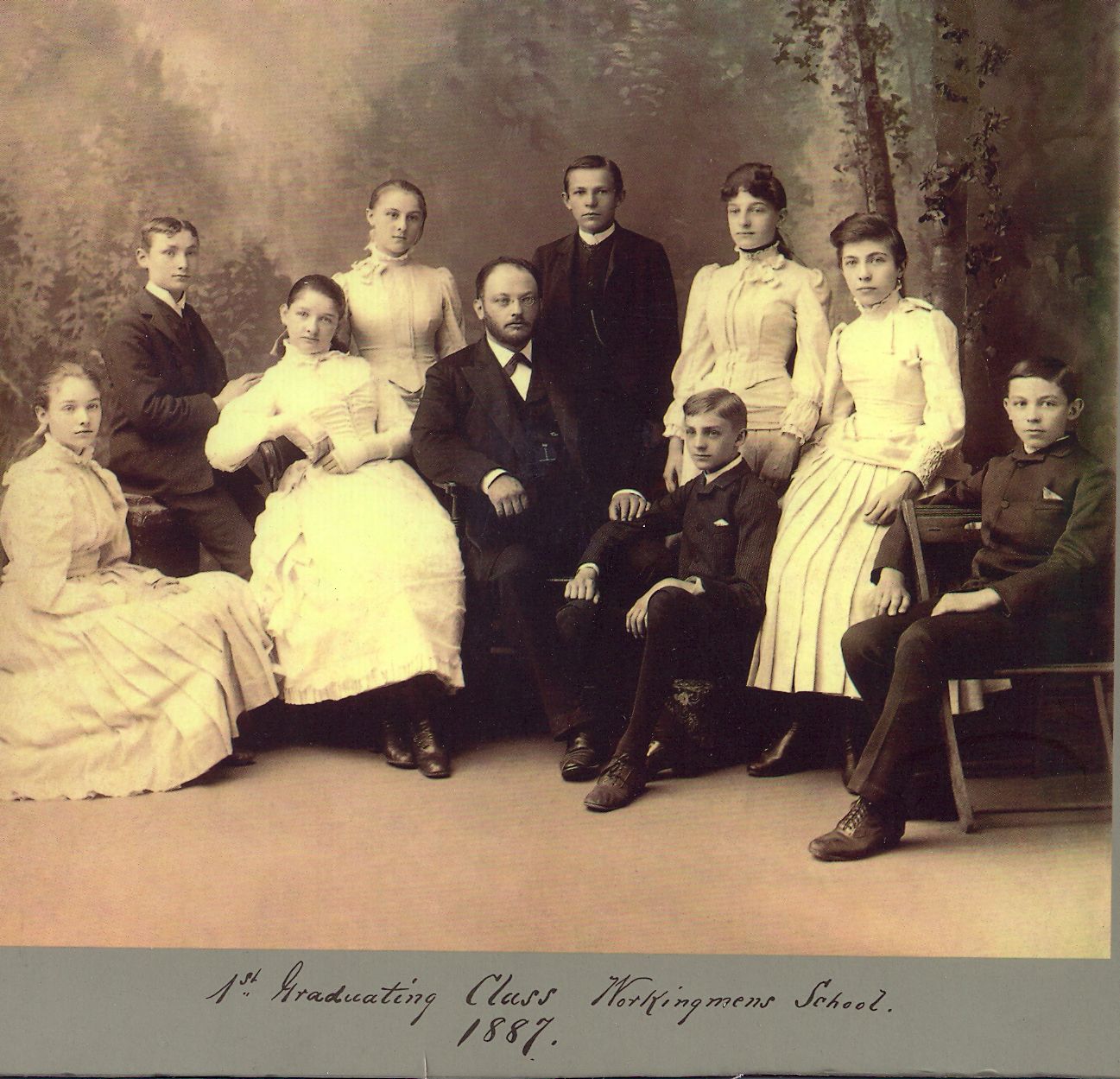
Founding of Workingman’s School, later the Ethical Culture Fieldston School, the first free kindergarden in the United States.

1886

Leader Stanton Coit founds the first Settlement House in America aimed to improve the lives of urban poor and immigrants . Later expands to Hudson Guild (1897) and Madison House (1899).

1889

Founding of American Ethical Union.
The federation of Ethical Culture and Ethical Humanist Societies.

1891

Founding of Blythedale Children’s Hospital – Originally the Teaching and Visiting Guild for Crippled Children (Hawthorne, NY)

1904

Founder Felix Adler named chairman of the National Child Labor Commission.

1909

The Society helps found the National Association for the Advancement of Color People (NAACP). Leader Henri Moskowitz serves on its first board.

1910

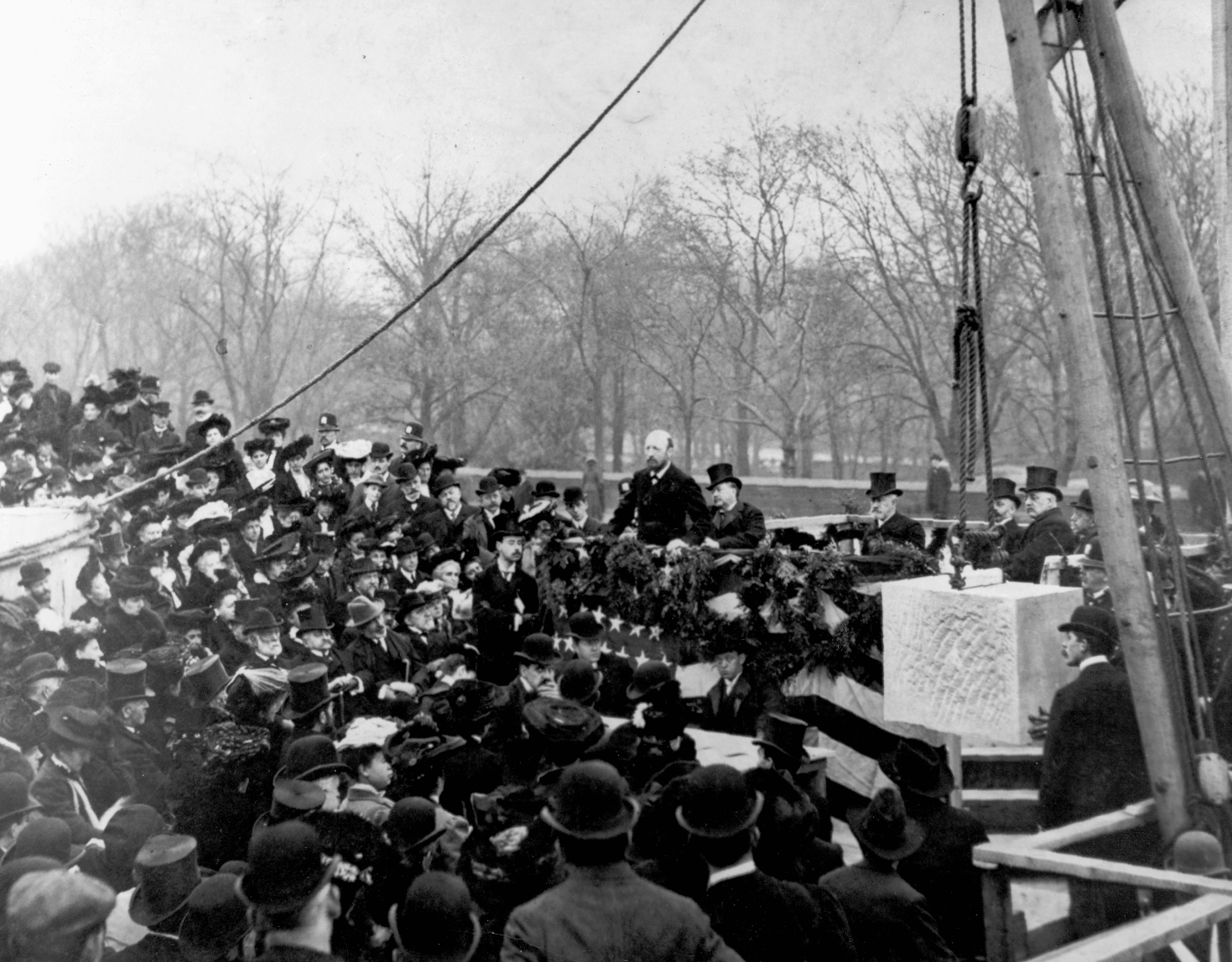
Construction of the Ethical Culture building -Meeting House- begins on Central Park West.

1920

The Society helps found the American Civil Liberties Union (ACLU).

1940s

Leader Jerome Nathanson creates the conferences on Science and Democracy, with John Dewey as honorary President.

1946

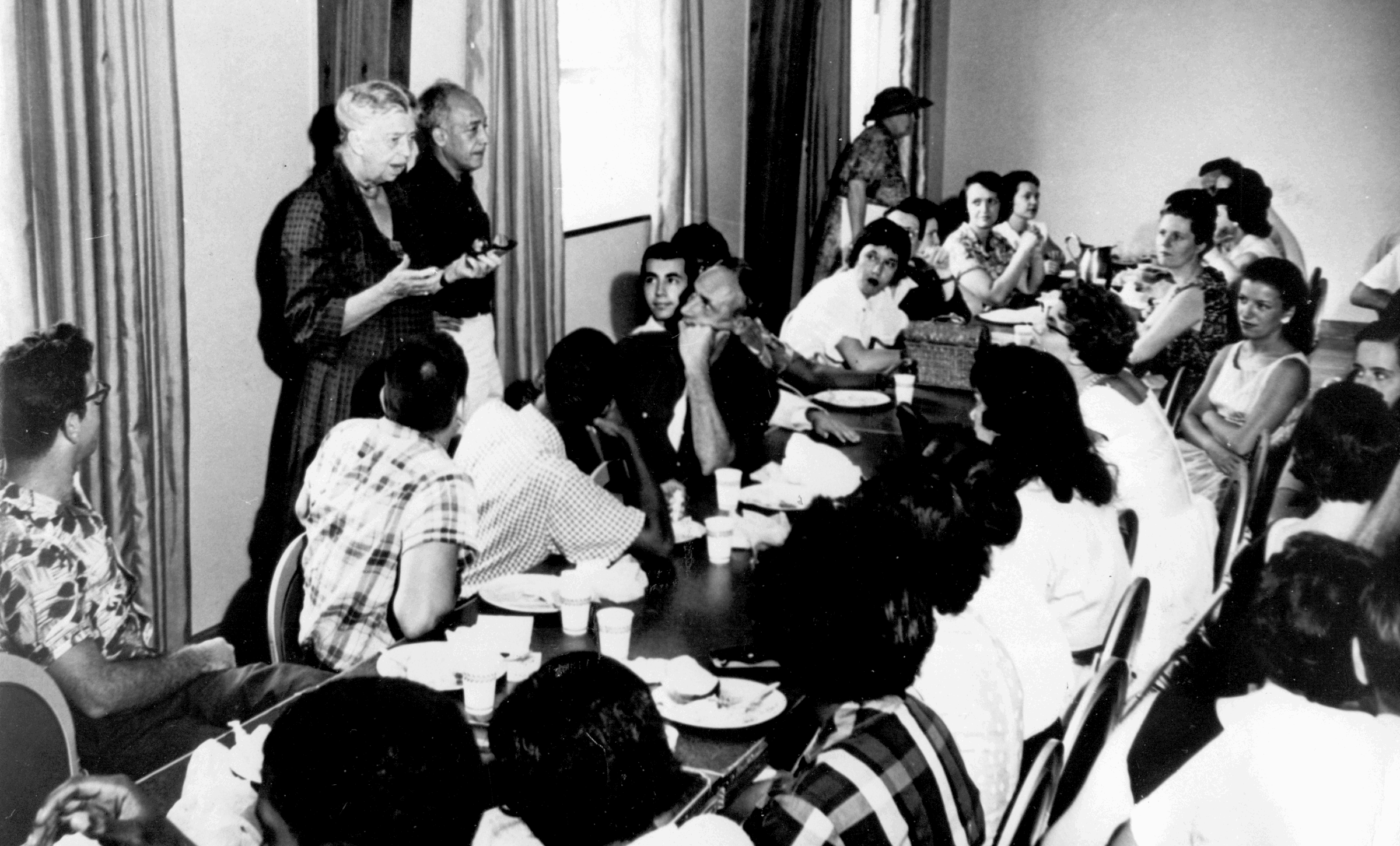
Eleanor Roosevelt speaks at the Society.

1946

National Ethical Service, created by the Society, is one of the first NGOs enrolled in the United Nations.

1947

Encampment for Citizenship program created by leader Algernon Black and Alice Politzer.

1950

Society led Women’s Conference establishes the first Planned Parenthood on Upper West Side.

Ethical Culture leader Algernon Black named vice president of the NAACP.

1963

Leader Walter Lawton organized in the South for school desegregation.

1967

Washington Society leader Ed Ericson testifies before Congress on conscientious objection status for non-theists.

1972-80

The Society creates the Center for Applied Ethics with leader Ed Ericson and president Ivan Shapiro.

1982

Ethical Culture opens the Maria Fridman Homeless Women’s Shelter in New York City.

2009

The Society’s Social Service Board establishes a pioneering televisiting program for children with incarcerated parents.

2014 – 2018

Up2Us and Drawdown Climate Week Conferences are hosted at the Meeting House.

2017

Jeffrey Sachs global poverty series, starting with United Nations Secretary General Ban Ky Moon.

2023

As part of their Social Justice initiatives, the Society founds the Ethical Neighbors Program to support NYCHA Amsterdam Houses.

Our History

The New York Society for Ethical Culture (NYSEC) is a community of people committed to living an intentional life in which ethics guides us in our relationships, our families, our work, and in our civic engagement. For a century and a half, the Society has been a force in social activism and its Meeting House has been a vital center for democratic values, progressive ideas and education.

NYSEC began on May 15, 1876, when a young Felix Adler first addressed a group of people inspired by his call for a new “religion of ethics.” It spurred a new movement in which “all may meet, believers and unbelievers, in action on that common ground,” united in humankind’s common cause. Not long after the founding of the Society in New York, other Ethical Culture Societies were established in Chicago (1883), Philadelphia (1885), and St. Louis (1886). Today, there are twenty-three Ethical Societies and five smaller fellowships nationwide.

The New York Society for Ethical Culture first met in Standard Hall near Times Square, then Chickering Hall, and then Carnegie Hall. It erected its own Meeting House in 1910 at 64th Street and Central Park West, next to the Ethical Culture School. Noted architect Robert D. Kohn, who later served as the Society’s president, designed the building. The façade was designated a landmark as a unique example of Viennese Secessionist/Art Nouveau design.

Social Action

From the beginning, Felix Adler’s emphasis on social justice and moral education guided the Society’s works. In 1877, the Society initiated two major projects. The first, the District Nursing Department, was a precursor of the Visiting Nurse Service. It was the first program to employ skilled nurses to visit the sick poor and offer treatment without imposing their religion.

The second project was a free kindergarten for the children of the working poor, which, in 1880, became the Workingman’s School. Based on Adler’s original ideas on education, it combined intellectual development with vocational training while providing a non-religious moral education. It was reorganized in 1895 to become the Ethical Culture School and in 1904 its current school building on Central Park West opened its doors. The Fieldston campus in Riverdale, with an elementary and a secondary school, was added in 1928. The school became independent in 1995, although NYSEC still has an active presence on the school’s board. Today, it is one of the city’s premier private schools. It remains dedicated to a curriculum of ethics and has one of the largest tuition scholarship programs in the City.

In 1879, the Society’s social service arm, the Social Service Board, was established. Over the years, Leaders and members of the Society have played active roles in advancing social justice and moral education. Leader Stanton Coit brought the Settlement House Movement from England in 1886, creating the first settlement house in America, the University Settlement

House, on the Lower East Side in 1886. From that start, grew the Madison House settlement house. Leader John Lovejoy Elliott founded Hudson Guild, a similar settlement house, in Chelsea in 1897. These settlement houses, long since independent, still serve the poor and immigrant community with health, education, and recreational services.

Felix Adler was a leader in the Tenement House reform movement. Having been a member of a State investigative commission, he helped develop law reform and instigated the building of model tenement houses on the Lower East Side.

In 1888, the women of the Society founded the Mother’s Society to Study Child Nature (later, the Child Study Association) which engaged in a major effort to end child labor in America. Three years later the Society’s women founded the Blythedale Children’s Hospital in Valhalla, New York. Today, it is the state’s largest independent specialty children’s hospital. In 1901, the Downtown Ethical Society founded Camp Felicia, which offered children of the city’s poor a taste of country life. After merging with the similar Camp Madison, (also created by the Ethical Society), it remained active through the 1990’s.

Civil Rights Advocacy

The Society has long been in the forefront of the battle to assure individual and civil rights. For example, in 1909, member Oswald Garrison Villard, publisher of the Evening Post, drafted the petition calling for the creation of the NAACP on Lincoln’s centennial. Society Leaders including Henry Moskowitz served on its first Board of Directors. Felix Adler served on the first Executive Committee of the National Urban League. Leader John Lovejoy Elliott, along with Norman Thomas, Roger Baldwin, and John Haynes Holmes, helped found the National Civil Liberties Bureau, the forerunner of today’s ACLU.

In the mid-20th century, Society Leaders Jerome Nathanson and Algernon D. Black cultivated social activism and intellectual pursuits. Black worked actively against discrimination in housing. He served as vice president of the NAACP as well as the ACLU, chaired the NYC Civilian Complaint Police Review Board, and participated in the Committee for a SANE Nuclear Policy. In 1944, he and Alice K. Pollitzer, a prominent civic leader, co-founded the Encampment for Citizenship to teach youth about civic engagement. Eleanor Roosevelt was among the early and outspoken supporters of the program and, later, so was Martin Luther King, Jr. For four decades, Black was heard on radio station WQXR in broadcasts of the Society’s weekly Sunday meetings.

Jerome Nathanson was chairman of the New York Committee to Abolish Capital Punishment, the Clergyman’s Advisory Committee of Planned Parenthood of New York City, and the Clergyman’s Committee for the Study of Abortion. On behalf of the American Ethical Union, in 1952, he helped found the International Humanist and Ethical Union (now Humanists International) in Amsterdam. Nathanson was widely known, too, for his Sunday morning talks on WQXR.

Continuing
Our Work

The Society has always engaged with the most important issues of our time, including access to women’s reproductive health, racial equity, juvenile justice, war, the death penalty, and environmental sustainability. We host panels and hold forums on key social issues, and conduct discussions on ethics and philosophy. We also partner with other advocacy organizations including the Innocence Project (which was co-founded by Peter Neufield of the Long Island Ethical Society, and Barry Scheck), the League of Women Voters, 350NYC.org, Food and Water Watch, and Amnesty International, to co‐sponsor events that serve the public good. Issues of war, social policy, human rights, and the environment have been aired here by notable guest speakers including Al Gore, Paul Krugman, Cornel West, Bill McKibben, Ban Ki-moon, the Marjory Stoneman Douglas High School students, and others.

The Society has organized numerous local organizations to mobilize in support of the needy on the Upper West Side. The Society’s Social Service Board and its Ethical Neighbors program support the residents of our neighboring public housing project, the Amsterdam Houses, with nutrition assistance, educational support and job opportunities. Working with “Midnight Run” it serves the homeless with clothing and food. The Society hosts town halls, panel discussions, concerts and gatherings.

The New York Society for Ethical Culture remains guided by its founding principles of justice for all and the advancement of all through ethical action. It serves as a community resource and a progresssive voice grounded in the ideals that all human beings have worth and that it is our responsibility to help make the world a better place.

Skip to content